Håfa Adai!
Welcome to the Guam Chamber of Commerce
Progress Now & Forever
2026 Nominations now being accepted! Deadline: February 23, 2026
2025 Hall of Fame Laureates
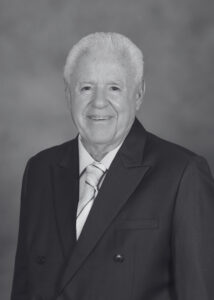
 "We are honored to welcome two outstanding Laureates into the Guam Business Hall of Fame this year,” said Catherine S. Castro, Chamber President. “Monty McDowell and Pay-Less Markets truly exemplify Guam’s entrepreneurial spirit, each making remarkable contributions to our island’s business landscape and community. Their vision and determination have allowed them to grow their enterprises well beyond expectations, setting new benchmarks in their respective fields. Moreover, their ongoing philanthropic initiatives underscore a deep commitment to the well-being of our residents and the prosperity of our island community."
Tae Oh, Chairman of the Board, added, "We sincerely thank the Guam community for their ongoing support and acknowledgment of the importance of the Guam Business Hall of Fame. We aspire for all of Guam's remarkable business leaders and forward-thinkers to receive the recognition they merit. Congratulations to Monty McDowell and Pay-Less Markets, Inc., on being named this year's Laureates - an honor that truly reflects their outstanding achievements and lasting impact on our island."
The Guam Business Hall of Fame induction will take place during the Guam Chamber of Commerce's 101st Anniversary Celebration on Saturday, May 3, 2025, at the Hyatt Regency Guam Grand Ballroom. A video commemorating the accomplishments of both Laureates will be featured that evening.
Our Mission
The Guam Chamber of Commerce exists to advance the general welfare of its members by promoting the economic, social and environmental well-being of the Territory of Guam; The Chamber seeks to develop, encourage, promote and protect the commercial, professional, financial, and general business interest of the Territory of Guam, to extend and promote the trade and commerce, and foster, develop and protect the industry of the Territory; to procure laws and regulations desirable for the benefit of business in general; and to provide a forum for the reflection of sentiments of business regarding matters affecting its interests.